Gobustan Mud Volcanoes: A Natural Wonder Guide
Imagine a landscape where the earth itself gurgles and breathes, spitting cold, grey mud in a mesmerizing, primeval dance. This isn't some alien planet, but the astonishing terrain surrounding the gobustan mud volcano fields in Azerbaijan. These bizarre, bubbling formations offer one of the most unique natural spectacles you'll ever witness, a truly unforgettable experience for any traveler seeking something beyond the usual postcard views. My first trip out to this area left me absolutely speechless. We'll dive into what makes these geological oddities so special, how to plan your visit, and what to expect when you finally stand before these miniature, erupting cones. Get ready for some honest insights and practical advice to make your own mud volcano adventure a success.Book your gobustan experience:
What Exactly Are These Mud Volcanoes Gobustan Azerbaijan?
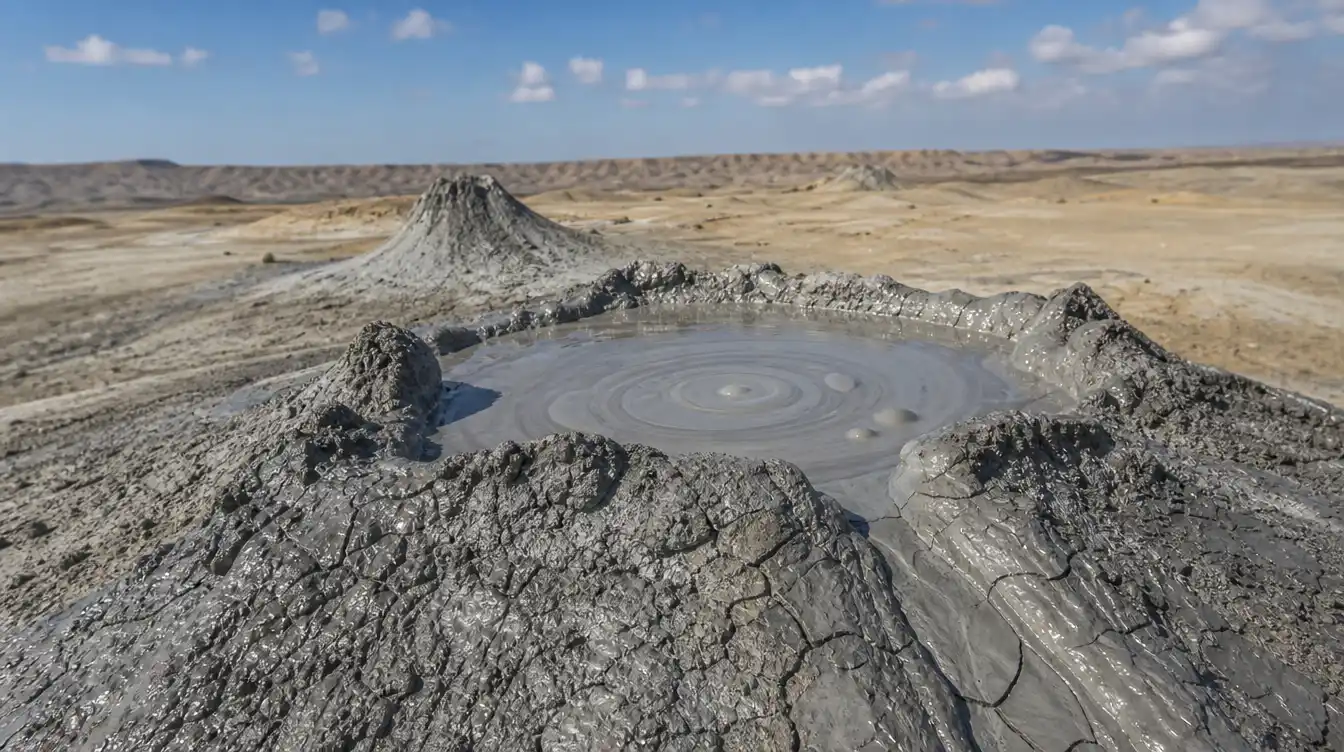
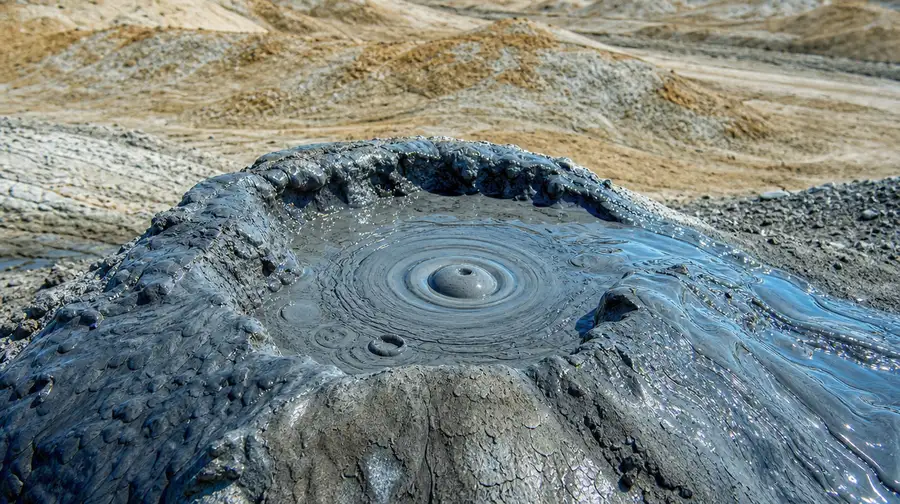
The mud volcanoes near Gobustan are not your typical fiery mountains. There's no molten lava involved here, just a strange, cold, thick mud. These geological formations are born from underground gas pockets pushing through layers of sediment and water, creating a slurry that erupts to the surface. It's a bit like a giant, slow-motion burp from the earth. Azerbaijan is home to more mud volcanoes than any other country, with estimates putting the number well over 300. The Gobustan area happens to have some of the most accessible and impressive ones. Standing among them, the silence is often broken by a soft plop, a gurgle, or a gentle hiss as gas escapes. Some cones are tiny, just a few inches across, while others are several feet high, with a wider crater. The mud itself is cool to the touch, often thick and grey, sometimes with a faint smell of oil or sulfur, which isn't surprising given Azerbaijan's rich hydrocarbon reserves. It's a primal scene, really. You feel very small next to these active, living mounds. I remember watching one particularly active cone, about a meter tall, just slowly, steadily burping. A bubble would form, swell, then burst, releasing a small splash of mud. It felt like watching a slow-motion alien creature breathe. This constant, gentle activity is what makes them so captivating; they're alive in a very subtle, geological way. The landscape around them is often barren, almost lunar, which only adds to the surreal atmosphere.Planning Your Gobustan Mud Volcano Tour
Getting to the mud volcanoes requires a bit of planning, as they are not directly next to the famous Gobustan Rock Art Cultural Landscape. They are a bit further out, often requiring a separate vehicle. You have a few choices for how to manage this trip, depending on your budget and preference for adventure. Most people combine a visit to the mud volcanoes with the Gobustan petroglyphs and the museum. This makes a lot of sense, as they are relatively close to each other. Many tours bundle them together for convenience.Pro tip: Wear old clothes and shoes you don't mind getting dirty. The mud is thick, slippery, and can stain. Bring some wet wipes or a small towel, too. You'll thank me later.
- Organized Tour: This is probably the easiest option. Many tour companies in Baku offer full-day trips that include the Gobustan petroglyphs, the museum, and a visit to the mud volcanoes. These tours usually handle all transport and can be quite efficient. You can check out various options for guided trips on the Gobustan Tours & Day Trips page.
- Private Driver/Taxi: If you prefer more flexibility, hiring a private driver for the day is a great choice. You can negotiate a price for a half-day or full-day trip from Baku, which often works out well for small groups. Make sure the driver knows exactly where the mud volcanoes are, as there are several fields, and some are more accessible than others.
- DIY with Local Transport: This is the most adventurous and cheapest way. You would take a local marshrutka (minibus) from Baku to the Gobustan settlement. From there, you'd need to find a local taxi or, more likely, a Lada Niva (a sturdy 4x4) to take you the rest of the way. The road gets pretty rough after the main highway, so a robust vehicle is essential. For more detailed transport info, check out our guide on Getting to Gobustan from Baku.
Typical Tour Options for Gobustan & Mud Volcanoes
Prices and durations can vary widely depending on the tour operator, group size, and what's included. Here's a general idea:
| Tour Type | Average Duration | Typical Price Range (per person, USD) | Key Inclusions |
|---|---|---|---|
| Half-Day Mud Volcanoes Only | 3-4 hours | $45 - $75 | Transport from Baku, driver, mud volcano visit |
| Full-Day Gobustan & Mud Volcanoes | 6-8 hours | $70 - $120 | Transport, guide, Gobustan Museum, petroglyphs, mud volcanoes |
| Private Tour (Full-Day) | 6-8 hours | $150 - $250 (for up to 3 people) | Private car, flexible itinerary, guide optional |
Exploring the Mud Volcanoes Gobustan
Once you arrive, the scene is instantly captivating. The land rolls gently, dotted with dozens, sometimes hundreds, of these mini volcanoes. Some are actively bubbling, others seem dormant, just grey mounds waiting for their moment. The ground itself can be a bit squishy in places, so watch your step. It's not quicksand, but you could definitely sink a few inches if you're not careful. The real fun starts when you get close to an active mud volcano gobustan. You can often hear the gurgling before you see the eruption. It's a gentle, almost meditative sound. Many people, myself included, can't resist getting a little mud on their hands. It's cool, smooth, and surprisingly clean feeling, though it leaves a grey residue. Some people even claim the mud has therapeutic properties, good for the skin. I didn't try a full mud bath, but a small dab on the hand seemed harmless enough.Note: While generally safe, maintain a respectful distance from the larger, more active craters. The mud can be hot immediately around the vent, and an unexpectedly large "burp" could splash you. Also, the ground can be uneven and slippery.
Book your gobustan experience:
Beyond the Volcanoes: Gobustan and Mud Volcanoes Combined
While the mud volcanoes are a highlight, they are only one part of the Gobustan experience. Most visitors combine this trip with a visit to the Gobustan Rock Art Cultural Landscape, a UNESCO World Heritage site. This is where you'll find thousands of ancient petroglyphs, rock carvings dating back as far as 40,000 years. These carvings depict prehistoric life, hunting scenes, dances, and animals. It's a fascinating glimpse into human history in the region. Before heading to the petroglyphs, a stop at the modern Gobustan National Park Museum is highly recommended. It's well-designed and provides excellent context for both the rock art and the geological phenomena, including the mud volcanoes. They have interactive exhibits explaining how the mud volcanoes work, which is super helpful if you're like me and need a visual aid for geological processes. This combo really rounds out the day. You get natural wonder, ancient history, and some solid education all in one go. Sometimes, a `gobustan vulcano tour` might also include other nearby sights, like the Roman inscription or the "Gaval Dash" musical stone. These are often quick stops, but they add a little extra flavor to the day. It's worth asking your tour operator what exactly is covered if you're booking an all-inclusive trip.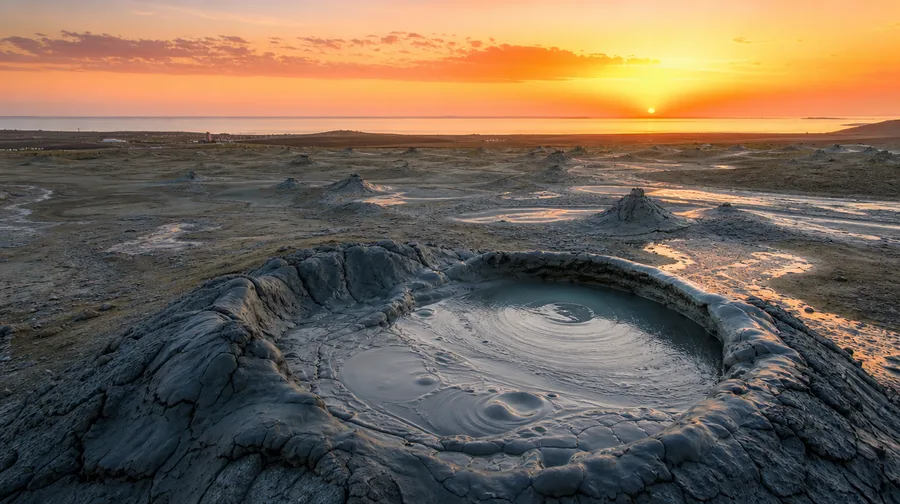
Practical Tips for Your Mud Volcano Gobustan Visit
To make your visit as smooth and enjoyable as possible, keep these things in mind. A little preparation goes a long way, especially when you're heading to a somewhat remote natural site.- Best Time to Visit: Early morning or late afternoon are ideal. The light is softer for photos, and the temperatures are cooler. Midday can be scorching, especially from June to August. Try to avoid visiting right after heavy rain, as the access roads can become extremely muddy and difficult, even for 4x4s.
- What to Wear: Old, comfortable clothes are best. Think layers if you're going in spring or autumn, as it can be windy. Sturdy, closed-toe shoes with good grip are essential. Forget the fancy sneakers; you'll want something you can wash easily or even toss afterward.
- What to Bring:
- Water: Lots of it. There are no facilities out in the mud volcano fields.
- Snacks: Again, no shops nearby.
- Sunscreen and a hat: The sun is relentless, and there's no shade.
- Wipes or a small towel: For cleaning mud off your hands or shoes.
- Camera: You'll want to capture this unique landscape.
- Costs: There's usually no separate entrance fee for the mud volcano fields themselves, as they are part of the broader landscape. Your main costs will be transport (tour, taxi, or marshrutka fare) and the entrance fee for the Gobustan Museum and petroglyph site (around 10-15 AZN, roughly $6-9).
- Accessibility: The terrain is uneven and can be slippery. It's generally not wheelchair-friendly, and those with significant mobility issues might find it challenging.
Frequently Asked Questions about gobustan mud volcano
Is it safe to visit the Gobustan mud volcanoes?
Yes, it is generally safe to visit. The eruptions are typically small and slow. Just be mindful of slippery ground and avoid getting too close to active vents where the mud might be hotter or splash unexpectedly.
Can I touch the mud?
Absolutely, you can touch the mud. It's usually cool and smooth. Many people enjoy dipping a finger in or even smearing a little on their skin for the novelty. Just remember to clean your hands afterward.
How far are the mud volcanoes from Baku?
The mud volcanoes are located about 65 kilometers (around 40 miles) southwest of Baku. The drive takes roughly an hour to 75 minutes, depending on traffic and the specific mud volcano field you're visiting.
Quick Reference
- Location: ~65 km SW of Baku
- Primary activity: Cold mud eruptions
- Best time: Early morning / late afternoon
- Access: Requires 4x4 for last stretch
- Combine with: Gobustan petroglyphs & museum
Book your gobustan experience:
My Take on the Gobustan Mud Volcanoes
Visiting the Gobustan mud volcanoes is an experience I genuinely recommend. It's not often you get to see such a raw, quirky geological phenomenon up close. The landscape feels otherworldly, and there's a quiet thrill in watching the earth bubble and breathe. It's a perfect half-day adventure, especially when combined with the ancient rock art nearby. If you're in Azerbaijan and looking for something truly unique, something that feels a bit off the beaten path even though it's growing in popularity, then make sure this is on your itinerary. You won't regret getting a little muddy for such an incredible sight.Read more about gobustan.